Nashville Sound

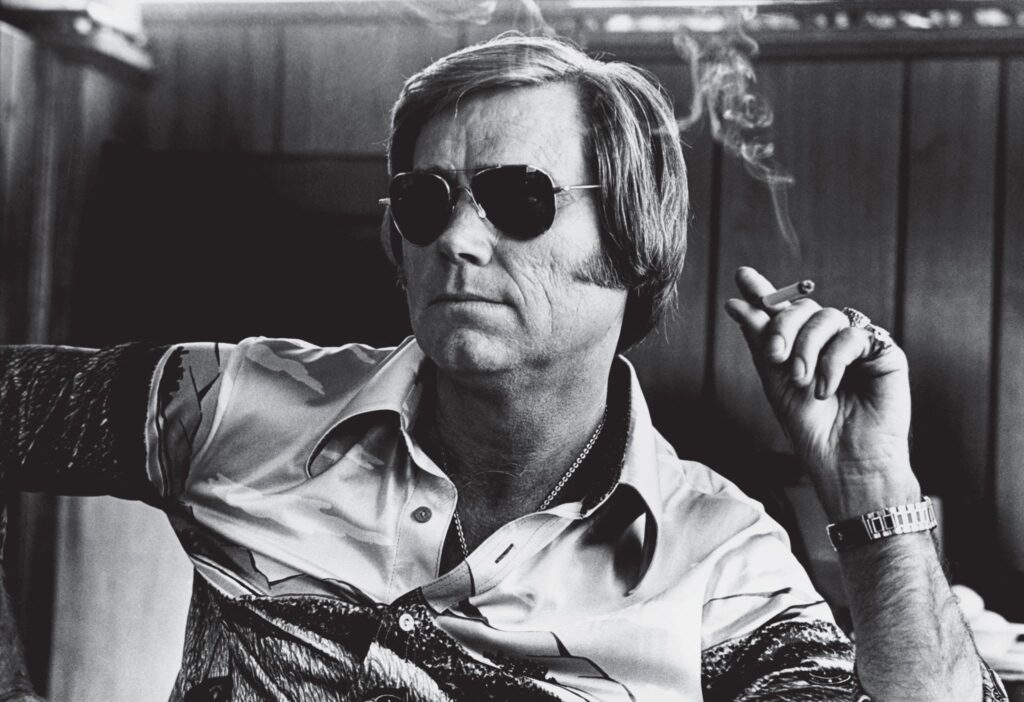
George Jones. maverick-country.com

Blast from the Past: George Jones

With what would have been George Jones’s 95th birthday approaching on 12 September, it is a fitting time to remember one of the most distinctive and influential voices in country music history. Known affectionately as “The Possum”, Jones experienced extraordinary success alongside turbulent personal struggles, leaving behind a catalogue that continues to influence country artists today. From Texas to country music George Glenn Jones was born on 12 September 1931 in Saratoga, Texas, and grew up in a large, working class family. Music became an important part of his childhood, with Jones singing in church and learning guitar. After serving in the United States Marine Corps, he began pursuing music professionally and emerged from the Texas country scene during the 1950s. His first major breakthrough arrived with “Why Baby Why” in 1955. It established Jones as a rising country performer and began a recording career that would span more than half a century. George Jones finds his voice Jones initially drew inspiration from artists including Hank Williams, but gradually developed one of country music’s most recognisable vocal styles. His ability to communicate heartbreak, regret and vulnerability became central to his appeal. Songs including “The Window Up Above”, “She Thinks I Still Care”, “The Grand Tour” and “A Good Year for the Roses” helped establish him as one of the genre’s greatest interpreters of emotional songs. His most celebrated recording arrived in 1980 with “He Stopped Loving Her Today”. The devastating story of a man whose love ends only with his death became synonymous with Jones and is widely regarded as a country music classic. George Jones and Tammy Wynette Jones’s personal and professional relationship with Tammy Wynette became another defining chapter of his career. The pair married in 1969 and became one of country music’s most famous couples. Together they recorded songs including “We’re Gonna Hold On”, “Golden Ring” and “Near You”. Their marriage ended in divorce in 1975, but their musical partnership continued, with their voices remaining closely associated with the classic country duet tradition. Personal struggles and No Show Jones Behind his musical success, Jones endured serious problems with alcohol and drugs. His unpredictability led to missed concerts and earned him the nickname “No Show Jones”. Those struggles became inseparable from his public image for a period, but his life eventually became more stable. His marriage to Nancy Sepulvado in 1983 proved particularly important, and Jones later credited her with helping him rebuild his life and career. He continued recording and performing for decades, becoming an elder statesman for traditional country music as the genre changed around him. A lasting country music legacy Jones received numerous honours during his lifetime, including induction into the Country Music Hall of Fame in 1992 and recognition at the Kennedy Center Honors in 2008. He also received a Grammy Lifetime Achievement Award in 2012. George Jones died on 26 April 2013 in Nashville, aged 81. From his unmistakable phrasing to the raw emotion he brought to heartbreak songs, Jones helped establish a benchmark for country singing that generations of performers have attempted to follow.

Blast from the Past: George Jones Read More »
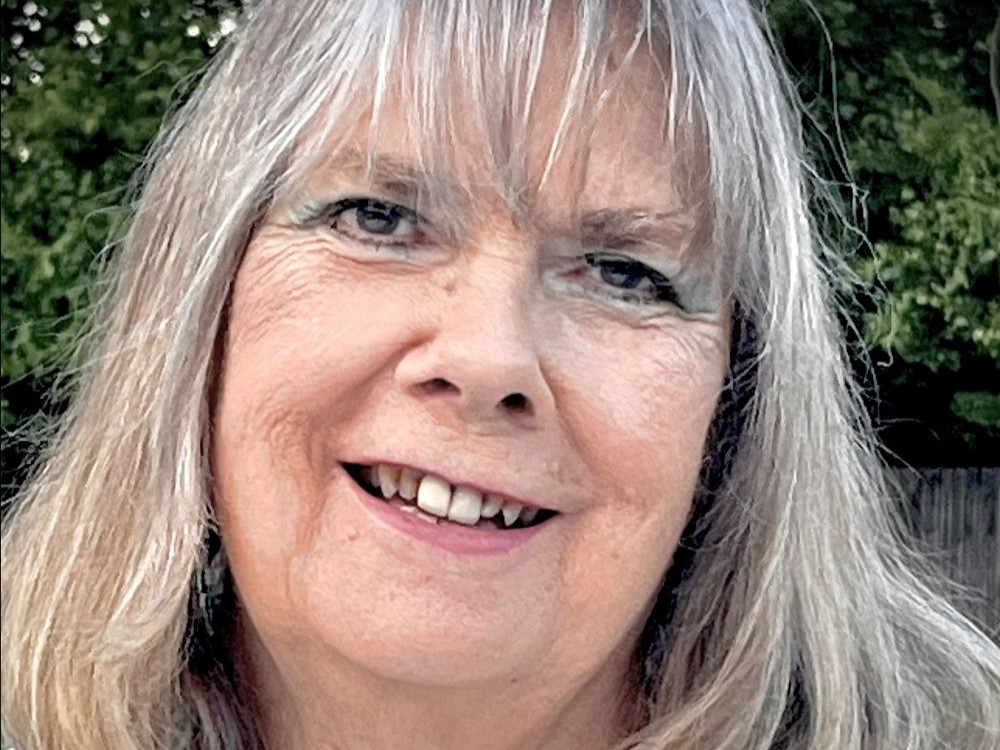
Vernell Hackett maverick-country.com

Vernell Hackett passes away aged 77

Beloved veteran journalist Vernell Hackett, 77, died in Chicago on August 14, 2026, of cardiac arrest. Hackett collapsed in the Chicago airport en route to Mexico for vacation. Born Vernell Dell Boswank, Hackett was a proud Texan who grew up in the tiny town of Riesel in McLennan County. She graduated from Sam Houston State University in Huntsville, Texas. Her older brother Bubba was a Houston police officer, and Hackett initially planned a career in crime reporting, but her love of music won out, and she became one of the nation’s top entertainment journalists. Following college, she and her husband Ken moved to Buffalo, NY, to be near his family before later relocating to Nashville. As she built her career in Music City, Hackett took a job at Top Billing International, working for legendary booking agent Tandy Rice, who represented Dolly Parton, Jim Ed Brown, Jerry Clower, Porter Wagoner, Jeannie C. Riley, Tom T. Hall, and more. Hackett later worked in the communications department at the Country Music Association. A respected voice in country music Hackett’s skills as a journalist best exemplify her legacy in Nashville. She was a gifted writer, always able to bring her subjects to vivid life in her articles, and her integrity earned her the trust of country music’s most acclaimed artists. Hackett was always gracious with her time and frequently mentored young reporters while serving as editor of Country News, Country Rhythms, and American Songwriter magazines. One of her proudest accomplishments was being a founder of American Songwriter magazine. She shepherded the publication as editor-in-chief for more than a decade, and passionately championed songwriters all her life. Over the course of her career, she freelanced for numerous publications and radio syndicators. Hackett’s resume also includes public relations. In the 1980s, she worked with a struggling rodeo cowboy who was selling cassettes out of his trunk. The first time many heard of Chris LeDoux was because of Hackett. He went on to be a superstar, and Chris and his father Al never forgot the role Hackett played in launching his career. She represented award-winning bluegrass artist Dale Ann Bradley, singer/songwriter Ryan Murphey, western singer/songwriter Joni Harms, Americana duo Jesse & Noah, John McEuen, and cowboy singer/songwriter/rancher Randy Huston. Hackett was also an author. She penned Ghosts, Gangsters and Gamblers of Las Vegas with longtime friends Liz Cavanaugh and Michelle Honick and also wrote a biography of Carrie Underwood. A lifelong commitment to animal welfare Hackett was a noted philanthropist and was particularly passionate about animal rights. She worked tirelessly with animal rescues and was a major supporter of the Robyn’s Nest shelter. Decades ago, when friends threw a birthday party, Hackett told people not to bring gifts but to bring dog food. She gathered her musician friends for some good old-fashioned pickin’ and singin’, and thus an annual tradition was born that saw thousands of pounds of pet food as well as monetary donations go to Robyn’s Nest. Hackett is survived by her nephew Glen Boswank of Nashville and niece Katy Prewitt of Kaufman, Texas. She leaves behind a legacy of love and an excellent body of work that helped elevate many talented artists to prominence. Remembered by friends and artists Artists including Michael Martin Murphey, Duane Allen of The Oak Ridge Boys and David Bellamy of The Bellamy Brothers shared their condolences and happy memories of Hackett. “Vernell Hackett was the kindest, most down-to-earth journalist and human being I’ve ever known. She had a sense of what the common, everyday country music fan is looking for in a story. Vernell went out of her way to support me on my journey to put the “Western” back in “Country”. She really had fun with that! Vernell was a true friend who let nothing stand in the way of what friendship really means- accepting the many imperfections all people have. She was just as concerned about how your family and pets were doing as she was about your latest hit record. She led a life of love and laughter and joy, but when tears came, hers always washed away the sorrow.” said Michael Martin Murphey. Duane Allen said, “Vernell was my close personal friend for decades. Sometimes, we would talk two or three times a week. The last week of her life, she sent a beautiful poem that was suitable to hang on any wall. I look forward to seeing her in Heaven, rejoicing with our many mutual friends, and I can imagine that there will be many of our four-legged friends to keep us company.” “She was always so very kind to us, and we feel privileged to have known her through the years. We send prayers and condolences to her family and loved ones,” shared David Bellamy.

Vernell Hackett passes away aged 77 Read More »

Old Soul, New Sound: How Country Music's Instruments Have Evolved maverick-country.com

Old Soul, New Sound: How Country Music’s Instruments Evolved

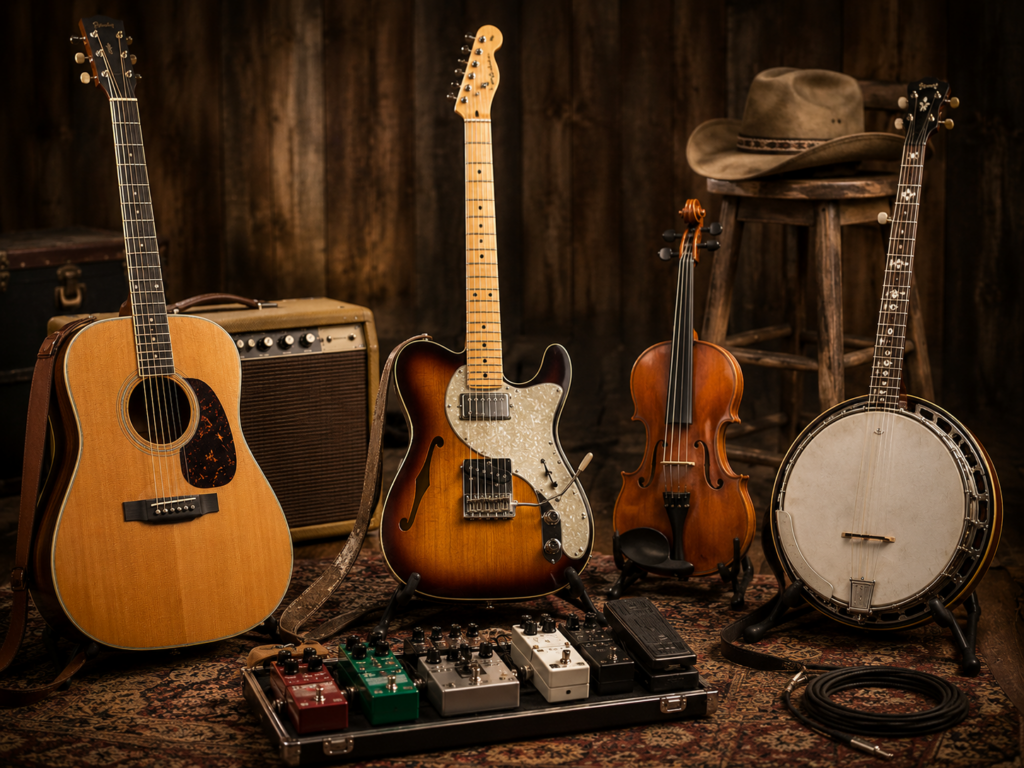
There was a time when country music needed very little to tell a story. One singer, one acoustic guitar, perhaps a fiddle or mandolin, and an audience willing to listen. The earliest pioneers of the genre created music that could be performed on a porch, in a church hall, or around a campfire without amplification or elaborate production. That simplicity remains at the heart of country music’s identity, but the instruments that shape today’s sound have travelled a remarkable journey. Modern country still respects its acoustic roots, yet today’s artists are just as likely to rely on sophisticated pedalboards, digital modelling amplifiers, wireless systems, in-ear monitors and studio technology as they are on a well worn Martin or Gibson. The evolution of country music is, in many ways, the evolution of the instruments that bring it to life. The acoustic foundation For much of country music’s early history, the acoustic guitar was more than an accompaniment. Brands such as Martin and Gibson became synonymous with the genre, prized for their rich tone and projection long before microphones became commonplace. Artists such as Jimmie Rodgers, The Carter Family and later Hank Williams proved that powerful songwriting needed little more than six strings and an honest voice. Every scratch on the guitar became part of the instrument’s story, reflecting thousands of miles travelled and countless songs performed. Alongside the acoustic guitar came the fiddle, banjo, mandolin and upright bass, instruments borrowed from Appalachian, Celtic and folk traditions that helped define what audiences came to recognise as country music. The electric revolution The arrival of electricity transformed country music forever. As dance halls became larger and bands grew louder, musicians needed instruments capable of filling bigger venues. The electric guitar arrived not as a replacement for the acoustic, but as a practical solution. Few instruments have become as closely associated with country music as the Fender Telecaster. Introduced in the early 1950s, its unmistakable bright, cutting tone became the soundtrack of honky tonk, Bakersfield country and countless Nashville recordings. Artists including Buck Owens and Merle Haggard helped demonstrate that electric guitars could retain country music’s storytelling while adding a new level of energy and expression. The pedal steel guitar also emerged as one of the genre’s defining voices. Its sweeping bends and emotional phrasing created a sound unlike anything else in popular music, becoming almost inseparable from traditional country recordings. Nashville meets technology As recording studios evolved, so too did the equipment behind the music. The famous Nashville Sound of the 1960s introduced smoother production, string sections and sophisticated studio techniques designed to broaden country music’s commercial appeal. Instruments were no longer judged solely on how they sounded in a room, but on how they responded to microphones, mixing consoles and advanced recording equipment. Today, even the most traditional sounding albums often rely on cutting edge technology behind the scenes. Digital recording allows producers to capture performances with incredible detail, while modern editing tools offer flexibility unimaginable to previous generations. Importantly, however, technology has rarely replaced musicianship. The best country recordings still depend on authentic performances rather than digital perfection. The modern country toolkit Walk onto the stage of a contemporary country artist and the contrast with the genre’s origins is striking. Wireless guitar systems give performers complete freedom to move across stadium stages. Digital amp modellers recreate the sounds of dozens of classic amplifiers without the weight or maintenance of traditional valve equipment. In-ear monitoring systems provide crystal clear mixes for performers while reducing stage volume. Programmable pedalboards allow guitarists to switch instantly between acoustic simulations, vintage overdrives, delays and reverbs throughout a performance. Many artists also perform with multiple guitars, each selected for a specific tuning, song or tonal character. What once required a single acoustic now involves carefully curated collections designed to meet the demands of modern touring. The acoustic guitar remains Despite these advances, the acoustic guitar remains the emotional centre of country music. Whether it is Chris Stapleton opening a stripped back ballad on a Gibson J45, Zach Top embracing traditional bluegrass influences, or Lainey Wilson writing new material with little more than an acoustic and a notebook, songwriting still begins in much the same way it always has. The acoustic guitar continues to provide something that technology cannot manufacture: intimacy. It exposes every nuance of a performance, every imperfection in a vocal, and every emotion within a lyric. In a genre built on authenticity, that honesty remains invaluable. Tradition meets innovation Perhaps the greatest strength of country music is its willingness to embrace progress without abandoning tradition. Artists now blend vintage instruments with digital technology, analogue warmth with modern precision, creating recordings that respect the past while speaking to contemporary audiences. A songwriter may begin with an acoustic guitar in a quiet room, develop ideas on a smartphone voice recorder, refine arrangements in a digital audio workstation, and ultimately perform the finished song through wireless systems to tens of thousands of fans. Every stage of that journey reflects how far the instruments of country music have evolved. At its core, country music has never been about the equipment. It has always been about telling honest stories through instruments that serve the song. Whether those stories are carried by a weathered Martin acoustic, a road worn Telecaster, or the latest digital touring rig, the spirit of country music continues to resonate with audiences because authenticity still matters more than technology. The tools may have changed dramatically over the decades, but the heart of country music remains firmly rooted in the simple relationship between a musician, an instrument, and a great song.

Old Soul, New Sound: How Country Music’s Instruments Evolved Read More »

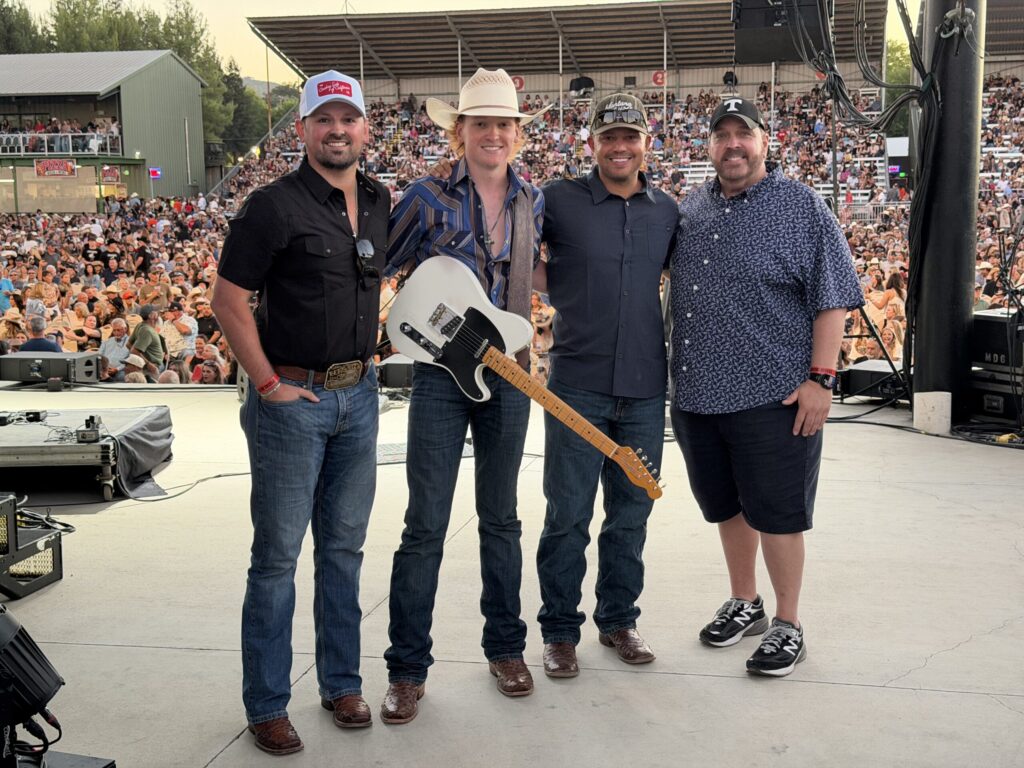
L-R ID WME’s Ryan Hofstetter, Colton Dawson, TKO Artist Management’s Jordan Bernal, WME’s Barry Jeffrey maverick-country.com

WME signs Colton Dawson for global representation

Rising traditional country artist Colton Dawson has signed with WME for global representation. The announcement follows another major career milestone for the 19 year old Arizona native, who recently signed with Warner Records Nashville and joined TKO Artist Management. Dawson also recently introduced fans to his music with the release of three highly anticipated debut songs, “Might Be In It”, “It’s Gonna Rain” and “Piece of Heaven”, giving listeners an early taste of his timeless country sound. These tracks give listeners an early glimpse of Dawson’s timeless country sound shaped by the artists and traditions he grew up on. A traditional sound with modern appeal Blending timeless country influences with a fresh edge, Dawson has quickly become one of Nashville’s most talked-about emerging artists. His smooth vocals, sharp guitar work, and classic country storytelling have built a fast-growing audience. “Colton has a voice and presence that immediately grabs your attention,” said WME’s Barry Jeffrey. “There’s an authenticity to what he does that feels deeply rooted in country music while still connecting with a new generation of fans. We’re excited to be part of what’s ahead.” “Signing with WME is a huge milestone for me,” said Dawson. “I grew up loving country music and dreaming about playing these kinds of stages. To now have a team that believes in what I’m building means the world. I’m ready to get out there and keep earning it every night.” Dawson first made waves after a breakout appearance opening for multi-platinum country artist Clay Walker at his sold-out show at the Ryman Auditorium. Here, Dawson received two standing ovations performing with only his guitar. His momentum has continued to build through standout opening performances for artists including Lainey Wilson, Cole Swindell, Braxton Keith, Jake Worthington, and Josh Turner. Dawson pairs silky vocals and honest songwriting with a timeless sound that feels both nostalgic and refreshingly current. He has also collaborated with GRAMMY Award-winning producer Chuck Ainlay and acclaimed songwriter Roger Springer on his forthcoming debut project.

WME signs Colton Dawson for global representation Read More »

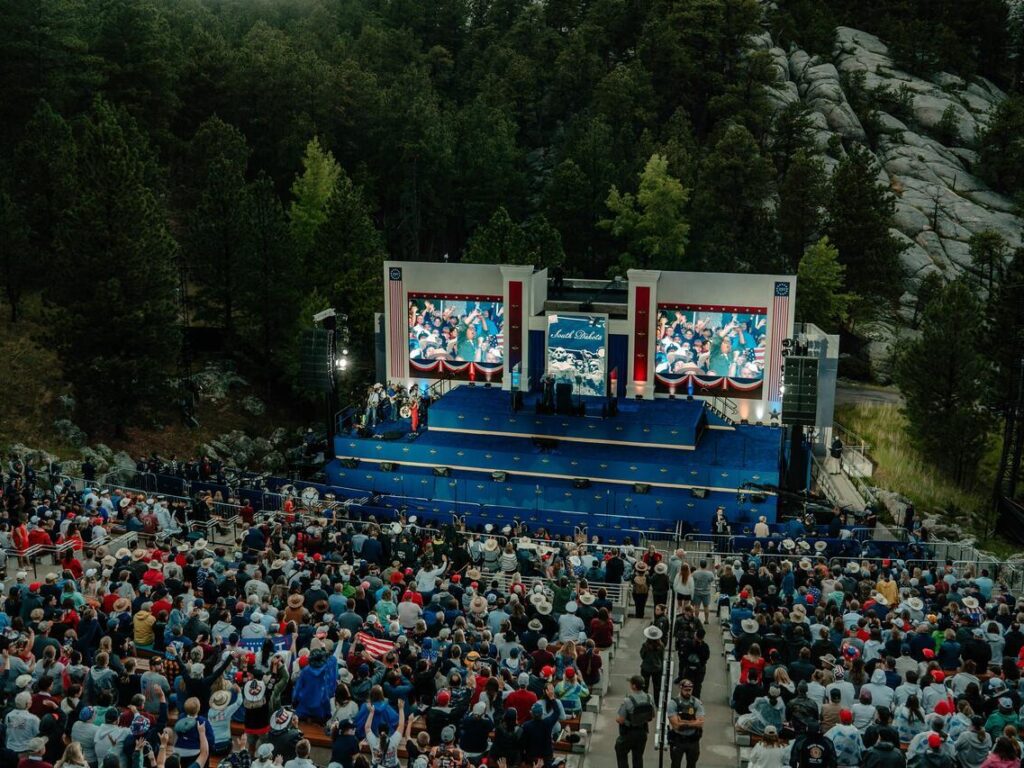
Williams performs at Friday’s America 250 performance at Mt. Rushmore. credit Kenzie Holmberg maverick-country.com

Chancey Williams performs at Mount Rushmore

In a moment neo-traditional country artist Chancey Williams calls “the coolest thing I’ve ever done,” he performed at Mount Rushmore on Friday, July 3. The performance aired live on both Fox and C-SPAN. Williams was invited to help kick off the Independence Day weekend gathering at the historic national memorial, bringing his brand of authentic cowboy country to a celebration honouring America’s 250th birthday. The high-profile event also featured remarks from South Dakota Governor Larry Rhoden. Despite rain and hail moving through the Black Hills ahead of the event, Williams and his band took the stage for a condensed 45-minute, 12-song set as thousands gathered beneath one of America’s most iconic landmarks. The Wyoming native performed fan favourites including “Rodeo Cold Beer,” “Miles On Me,” “Saddle Up,” “Outlaws” and his signature anthem, “The World Needs More Cowboys.” Then came an unexpected highlight. As Williams performed his gritty, up-tempo track “The Saint,” Air Force One soared overhead, creating a once-in-a-lifetime scene for the artist and crowd below. “I’ve been fortunate to get to do a lot of really neat things in my life, but this was hands down the coolest thing I’ve ever done,” Williams shared following the performance. “To be playing at Mount Rushmore, surrounded by that kind of history and patriotism, and then see Air Force One fly right over us. It’s something I’ll never forget.” Known for bringing his authentic cowboy roots to stages across the country, Williams continues to build a career rooted in hard work, pride of place and a deep appreciation for the people and stories that make up the American West.

Chancey Williams performs at Mount Rushmore Read More »

More Than Music: The Art of Storytelling at the Heart of Country maverick-country.com

More Than Music: The Art of Storytelling at the Heart of Country

Country music has always been about stories. Long before streaming services, social media and viral trends shaped the way people discovered music, country songs were passing down experiences from one generation to the next. They gave a voice to ordinary people, capturing moments of joy, heartbreak, resilience and hope in ways that felt deeply personal. While the genre has evolved over the decades, its greatest strength has never changed. At its heart, country music remains the soundtrack to real life. Unlike some other genres that prioritise rhythm, production or spectacle, country begins with the narrative. Every song asks the listener to step into someone else’s world. It might be a tale of young love, the pain of saying goodbye, the pride of returning home, or the quiet comfort of family traditions. The setting may change, but the emotion remains universal. Songs that feel like real life The beauty of country music lies in its ability to make the ordinary feel extraordinary. A pickup truck, a front porch, a small town diner or an old family photograph become powerful symbols because they are tied to genuine emotion rather than empty nostalgia. The finest country songs do not simply tell listeners what happened. They invite them to experience it. Every verse builds another scene. It introduces characters, places and emotions that gradually unfold until the listener feels like part of the story. Much like a well written novel or a favourite film, the destination matters, but it is the journey that leaves a lasting impression. The stories that stay with us Some songs become more than music. They become part of our own story. A particular lyric can instantly transport us back to a first dance, a family holiday, a long drive with friends or a quiet evening spent reflecting on life. Country music has a remarkable ability to capture these moments because its songs are built around experiences that feel genuine and familiar. Rather than simply describing emotions, country music places listeners inside them. Every verse unfolds like another chapter, allowing characters, relationships and memories to develop naturally. By the final chorus, the song has become more than something to listen to. It has become something to feel. That emotional connection is one of the reasons country music remains so enduring. Listeners often return to the same songs at different stages of life, discovering new meaning in lyrics that seemed to say something entirely different years before. As experiences change, so too does the way those stories are understood. The most memorable country songs do not just tell someone else’s story. They create space for listeners to see pieces of their own lives reflected within them. Each song feels personal long after the final note has faded. Authenticity over perfection One of country music’s greatest strengths is its honesty. Even when a song tells a fictional story, it is usually rooted in emotions that feel believable. Love, loss, hope, regret, ambition and redemption are experiences everyone understands, regardless of where they live or what background they come from. That authenticity has become increasingly valuable in today’s fast paced world. While much of modern entertainment is designed for instant gratification, country music encourages listeners to slow down. The best songs reveal themselves gradually, rewarding those who pay attention to every lyric rather than simply waiting for the chorus. A tradition that will never fade Musical styles will continue to evolve, new influences will emerge and production techniques will change with every generation. Yet the heart of country music is unlikely to shift because the need for storytelling is timeless. As long as people continue to fall in love, lose loved ones, chase dreams, build families and reflect on the moments that shape their lives, there will always be stories worth telling. Country music simply provides the soundtrack. That is why storytelling remains the genre’s defining characteristic. It is not just about writing songs. It is about preserving memories, sharing experiences and reminding listeners that no matter where they come from, someone, somewhere, has lived a story that feels remarkably like their own.

More Than Music: The Art of Storytelling at the Heart of Country Read More »

George Strait. Maverick-country.com

Blast from the Past: George Strait

Earlier this week, George Strait celebrated his 74th birthday. Here, Maverick Country delves into the life and times of this record-breaking country legend.  A Texas Voice That Changed Country Music For more than four decades, George Strait has remained one of the defining voices of American country music. While trends have shifted dramatically around him, from the polished “Urban Cowboy” movement of the early 1980s to today’s stadium driven country pop crossover era, Strait has consistently represented the traditional heart of the genre. In doing so, he has not only preserved country music’s foundations, but reshaped its commercial future. Known universally as the “King of Country”, Strait’s influence extends far beyond his extraordinary catalogue of hit records. His career changed the trajectory of Nashville itself, proving that authenticity and commercial success were not mutually exclusive. Few artists in any genre have balanced cultural relevance, longevity and artistic consistency with such precision. George Strait’s Early Life and Influences Born in Poteet, Texas, in 1952 and raised in nearby Pearsall, Strait grew up immersed in ranch life and western culture. His musical influences came from classic country traditionalists including Hank Williams, Merle Haggard, Lefty Frizzell and George Jones. Unlike many performers who arrived in Nashville seeking reinvention, Strait arrived fully formed. He did not attempt to modernise himself for the market. Instead, the market eventually adjusted to him. That distinction became critically important during the early 1980s. At the time, country music was heavily influenced by pop crossover production following the commercial success of artists linked to the Urban Cowboy movement. Traditional instrumentation and western swing influences were becoming increasingly rare in mainstream radio. Strait’s arrival offered an alternative. The Rise of Neo Traditional Country His breakthrough single, Unwound, released in 1981, immediately stood apart. Featuring fiddle, steel guitar and a distinctly Texas influenced arrangement, it rejected the polished pop sheen dominating country charts. The success of the track, followed by his debut album Strait Country, helped trigger what many historians now describe as the neo traditionalist movement in country music. Alongside artists such as Randy Travis and Ricky Skaggs, Strait helped restore traditional songwriting and instrumentation to mainstream prominence. Yet even among that influential generation, Strait occupied a unique position. While others often leaned heavily into nostalgia, Strait’s music felt contemporary without abandoning country’s core identity. That balance became the foundation of his extraordinary longevity. George Strait’s Biggest Hits Across the 1980s and 1990s, Strait delivered an unprecedented run of commercial success. Songs including Amarillo by Morning, The Chair, All My Ex’s Live in Texas, Check Yes or No, and I Cross My Heart became defining records not simply because they were popular, but because they reflected emotional clarity and restraint. Strait rarely relied on vocal theatrics. His delivery remained calm, measured and conversational. In an era increasingly dominated by spectacle, that understated style became his greatest strength. His influence on country music’s vocal approach remains significant today. Countless artists, particularly male country singers, adopted aspects of Strait’s phrasing and emotional control. The modern country emphasis on smooth baritone storytelling owes much to the blueprint he established. Commercial Success and Industry Impact Commercially, the statistics surrounding Strait’s career remain staggering. He has achieved more than 60 number one singles across various charts, sold tens of millions of records worldwide and earned one of the highest grossing touring careers in country music history. Yet unlike many legacy acts, Strait never depended on reinvention cycles or headline controversy to sustain relevance. Part of his enduring appeal lies in consistency. Fans understood exactly what a George Strait record represented: strong songwriting, traditional musicianship and emotional honesty. That reliability created extraordinary audience loyalty across multiple generations. George Strait’s Influence on Modern Artists Perhaps more importantly, Strait helped establish commercial space for traditional country artists in modern Nashville. Without his success, it is difficult to imagine the mainstream rise of later artists such as Alan Jackson, Clint Black, or even contemporary traditionalists like Jon Pardi and Cody Johnson. Strait demonstrated that country audiences still valued western identity, fiddle driven arrangements and songs grounded in everyday realism. His influence also extends to live performance culture within country music. Strait avoided elaborate choreography and theatrical excess, focusing instead on musicianship and catalogue strength. That approach reinforced the idea that country concerts could succeed through connection rather than production scale alone. Even in stadium environments, Strait’s performances retained an almost intimate quality. Protecting Traditional Country Music Importantly, Strait’s career coincided with country music’s rapid commercial expansion during the 1990s. As Nashville increasingly pursued crossover audiences, Strait became a stabilising figure for listeners concerned about the genre losing its roots. He effectively bridged traditionalism and commercial accessibility without appearing politically positioned within industry debates. That subtlety allowed him to remain respected across virtually every segment of the country audience. Today, George Strait’s influence is visible not only in sound, but in philosophy. Many modern artists speak openly about maintaining authenticity, protecting songwriting integrity and resisting trend driven production. Those values became commercially viable largely because Strait proved they could succeed at the highest level. The Lasting Legacy of George Strait Few artists manage to define a genre while simultaneously preserving it. George Strait achieved both. His legacy is not simply built on hit records or awards, although he has accumulated more than most artists could imagine. His lasting contribution lies in safeguarding the emotional and musical language of country music during periods when it risked being diluted beyond recognition. In doing so, George Strait became more than a successful performer. He became the standard against which traditional country music continues to measure itself.

Blast from the Past: George Strait Read More »

Whiskey Isn’t a Trend, It’s Tradition maverick-country.com

Whiskey Isn’t a Trend, It’s Tradition

Whiskey and country culture have long been intertwined as a shared expression of place and identity. Long before it became a lifestyle aesthetic, whiskey was simply part of everyday life across the American South and Midwest. It sat on back porches, in roadside bars, and behind the scenes of late-night songwriting sessions. Country music has consistently reflected this relationship. Not in a romanticised sense, but as a detail of lived experience. Whiskey appears in lyrics because it is present in the environment, tied to storytelling, reflection, and social connection. It is less about the drink itself and more about what it represents – time taken, conversations had, and moments remembered. Rooted in the same ground The connection between whiskey and country culture is not coincidental. Both are products of the same environments. The regions that shaped early country music, Tennessee, Kentucky, Appalachia, are the same regions that defined American whiskey. In Tennessee, the steady, methodical approach to whiskey production reflects a wider cultural consistency. There is value placed on doing things the right way, not the fast way. That same attitude underpins much of traditional country, where storytelling and structure take precedence over trend. Appalachian moonshine tells a different story. It emerged from necessity, shaped by isolation and resourcefulness. It shares a similar origin with early country and folk music, both formed outside of formal systems, passed between communities, and grounded in real experience. Modern producers such as Ole Smoky have brought moonshine into regulated markets, but its cultural identity still leans heavily on that independent spirit. Further west, Texas introduces a different tone. The climate accelerates whiskey maturation, producing bold, concentrated flavours. That intensity is reflected culturally as well. Distilleries like Garrison Brothers operate within that same environment, producing bold, assertive spirits that reflect the climate and attitude of the state. Shaping the experience Whiskey in country culture is defined as much by where it is consumed as how it is made. It belongs in places that are lived in rather than designed, roadside bars, back porches, open fields, small venues where the line between performer and audience is blurred. This is where the overlap with music becomes most visible. Live country music venues are not just performance spaces; they are environments built around interaction. Whiskey, in this context, is part of the rhythm of the evening. It slows things down, encourages conversation, and creates a sense of familiarity, even among strangers. The ritual is informal but consistent. A drink poured without ceremony, a glass passed across a worn wooden bar, a quiet moment between songs. These details rarely make headlines, but they define the atmosphere. Holding onto authenticity As country culture has expanded globally, so too has the visibility of whiskey within it. There is now a clear commercial dimension, with brands such as Jack Daniel’s becoming synonymous with the culture itself. Yet the underlying relationship has not fundamentally changed. What continues to resonate is authenticity. Both whiskey and country culture are valued not for how they are presented, but for how closely they remain tied to their origins. Attempts to refine or reposition them too far from that foundation tend to lose what made them compelling in the first place. Within country culture, it is not about knowledge or status. It is about understanding the setting. The whiskey in your hand sits within a wider world, shaped by the same landscapes, histories, and communities that give rise to the music around you.

Whiskey Isn’t a Trend, It’s Tradition Read More »

Editor's C2C review - Maverick Country

Key Takeaways from C2C London 2026

The Maverick Country team had the pleasure of attending this year’s Country to Country (C2C) 2026, at London’s O2 Arena between Friday, March 13 and Sunday, March 15. A week on from the festival, our editor breaks down the team’s biggest takeaways from a phenomenal show. As soon as you make your way through North Greenwich station and step outside, you’re swept away by the jubilant atmosphere, the vast array of cowboy hats and the feeling you’re witnessing something big. Why the O2 Arena remains the perfect home for C2C The O2 Arena offers an excellent staging ground for just one part of Europe’s biggest country music festival. Indeed, across the whole weekend, the festival saw over 100,000 visitors who also flocked to the OVO Hydro in Glasgow and the SSE Arena in Belfast. The reason the O2 offered a great setting for C2C was the harmony of the stages flowing between different sections of the festival ground. These offered moments where artists took the roof off and a more intimate atmosphere alike. Headliners and songwriter moments that defined the weekend The festival was headlined by Brooks and Dunn, Zach Top and Keith Urban. Keith Urban also played host to the CMA’s Songwriter Series, which was a chance for fans to get in deep with the artists and the stories behind their songs, really highlighting the storytelling tradition of the genre. The Songwriter Series took place in the indigo which also hosted the BBC Radio 2 stage. The station also provided coverage on Saturday and Sunday. Discovering emerging talent across every stage The Maverick Country team had the pleasure of experiencing many of the smaller stages such as the Dutton Ranch Stage, the Saloon and the AXS Big Entrance stage, the latter of which offered passers by the pleasure of soaking up just a piece of the festival atmosphere. We got to meet artists from the UK like Hannah Jane Lewis and Olivia Lynn, both of whom have been featured on BBC Introducing. And lest we forget the Aussies: Tyla Rodrigues, who is set to play CMC Rocks in Queensland this weekend, and Max Jackson who is an ambassador for Australia’s biggest country music event, Tamworth Country Music Festival. International artists embrace European audiences We had the privilege of seeing many of the American artists who made the journey across the pond. These included Annie Bosko, Ashland Craft, Dylan Schneider, Liam St. John, Ryan and Rory, Alyssa Flaherty, Solon Holt and Tyler Sjöström. Many of them had also performed at C2C Berlin and Rotterdam the previous weekend, it being their first time performing outside of the States for the vast majority. When we asked the American artists what they had noticed about the European audiences compared to the crowds they are used to playing in front of, overwhelmingly the response was that Europeans tend to “actually listen” to the music. Tuning in and showing up for their favourite artists seems to be something the emerging artists really appreciated about their C2C experience. UK fans prove why country music is booming If there’s one thing we could say about the UK audience, it’s they really did turn up the party. Many of the American artists we spoke to said how impressed they were with the dedication of the fans, particularly through their knowledge of their lyrics and their fashion. Indeed, the popularity of the genre at this current moment in time cannot be overstated; the CMA recently revealed country music consumption in the UK has increased by 181% since 2020 and has been the fastest growing genre in the UK for the past three years. C2C expansion signals a major moment for UK live music With the festival expanding to Manchester’s AO Arena next year, this really is the time C2C marks a big event on the UK live music calendar.

Key Takeaways from C2C London 2026 Read More »

Scroll to Top

 (keeps playing while you browse)