
Willow Avalon
Georgia native Willow Avalon is hitting the road in 2026 with appearances across Europe and the UK. Here’s what to expect.

Georgia native Willow Avalon is hitting the road in 2026 with appearances across Europe and the UK. Here’s what to expect.

Supporting his sixth studio album, With Heaven on Top, Zach Bryan is hitting the road in March 2026. Here is what to expect from With Heaven On Tour.

Lainey Wilson’s album, ‘Whirlwind’, captures the beauty of growth, resilience, and staying grounded.
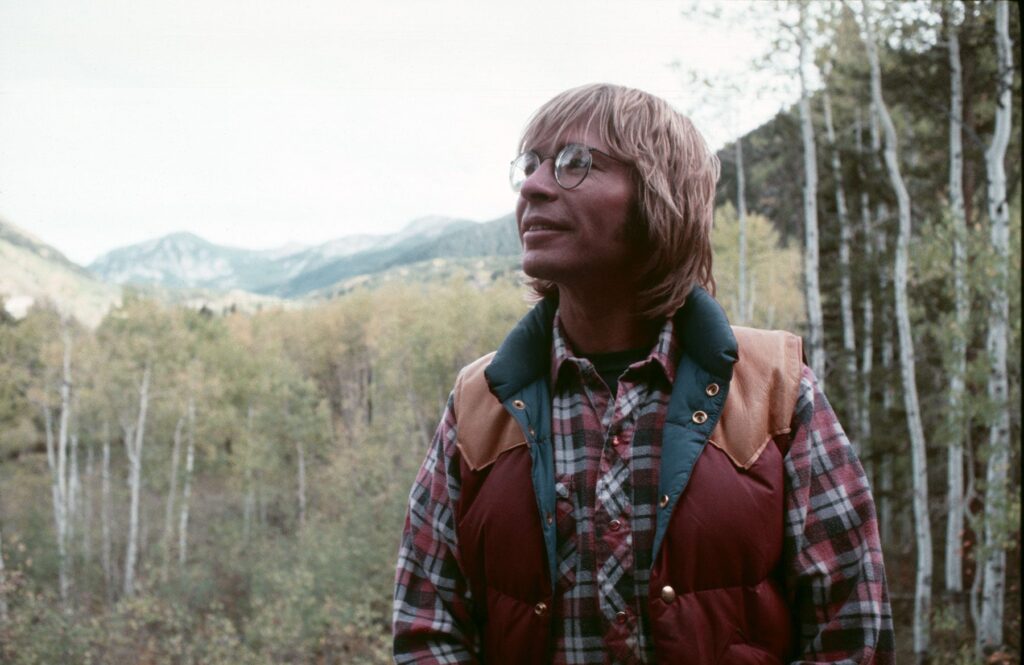
John Denver’s timeless anthem, Take Me Home, Country Roads, continues to define home, nostalgia and country music storytelling.

Few artists have captured the wide-open heart of America quite like John Denver. With a guitar slung across his shoulder and a tenor that seemed to rise effortlessly toward the sky, John Denver became one of the most recognisable voices of the 1970s. Though often labelled a country artist, his music blended folk, pop and country into something uniquely his own: earnest, melodic and unashamedly hopeful. More than four decades after his commercial peak, his songs remain fixtures on radio playlists, in films, and around campfires. But Denver’s story is richer than nostalgia. It is a tale of restless ambition, creative conviction and a complicated relationship with fame. Early life and musical beginnings Born Henry John Deutschendorf Jr on 31 December 1943 in Roswell, New Mexico, John Denver grew up as the son of a US Air Force pilot. His childhood was marked by frequent relocations, moving from base to base across the United States and overseas. That transience shaped him deeply, instilling both independence and a sense of longing that would later echo in his songwriting. Music became his anchor. As a teenager, he received a 1910 Gibson acoustic guitar from his grandmother. He later described it as the instrument that changed his life. Folk music was enjoying a revival in the early 1960s, and Denver was drawn to the storytelling tradition of artists such as Pete Seeger and the Kingston Trio. He attended Texas Tech University to study architecture but soon abandoned formal education for the uncertain path of music. By 1965, he had joined the Chad Mitchell Trio, a respected folk group. It was during this period that he adopted the stage name “John Denver,” inspired by the state he would later call home and which would become central to his identity. Breakthrough with “Leaving on a Jet Plane” Denver’s first major success came not as a performer but as a songwriter. In 1967, he wrote “Leaving on a Jet Plane,” a wistful ballad about separation and uncertainty. The song was recorded by Peter, Paul and Mary and became a number one hit in 1969. The success established Denver as a gifted songwriter, but he was determined to succeed on his own terms. Signing with RCA Records, he began releasing albums that showcased his gentle tenor, acoustic arrangements and lyrical focus on nature, love and introspection. It took time for audiences to catch up, but when they did, the response was overwhelming. The rise of a country-folk superstar The early 1970s marked a meteoric ascent. Albums such as Poems, Prayers and Promises and Rocky Mountain High propelled Denver into the mainstream. “Take Me Home, Country Roads,” released in 1971, became his signature song. Though co-written and initially intended for Johnny Cash, Denver’s version struck a chord with listeners. Its evocation of West Virginia’s landscape, paired with a soaring chorus, turned it into an anthem of homecoming and belonging. “Rocky Mountain High,” released in 1972, further cemented his connection to the American West. Inspired by his move to Colorado, the song celebrated nature’s grandeur and spiritual renewal. It became one of the state’s official songs and a defining statement of Denver’s artistic vision. Between 1971 and 1975, Denver scored a string of hits including “Annie’s Song,” “Sunshine on My Shoulders,” “Back Home Again” and “Thank God I’m a Country Boy.” His wholesome image and accessible melodies made him a staple of American television, including multiple specials and guest appearances. At his peak, Denver was one of the world’s best-selling artists, filling arenas and dominating charts. Blending country, folk and pop John Denver’s music defied simple categorisation. While embraced by country audiences, he was sometimes viewed with suspicion by Nashville traditionalists who considered him more pop-folk than country. Conversely, some rock critics dismissed him as overly sentimental. Yet it was precisely this blending of genres that made him so successful. His arrangements were clean and acoustic-driven, rooted in folk traditions, but they incorporated country instrumentation and pop accessibility. Denver prioritised melody and emotional clarity over stylistic allegiance. He was also a prolific songwriter, penning deeply personal lyrics. “Annie’s Song,” written for his first wife Annie Martell, remains one of the most enduring love songs of the era. Its simplicity and sincerity reflected his belief that music should connect rather than impress. Environmental activism and humanitarian work Beyond music, Denver was a passionate environmental advocate. His love for Colorado’s mountains translated into activism, and he became a vocal supporter of conservation efforts. In 1976, he founded the Windstar Foundation, dedicated to promoting sustainable living and environmental awareness. He used his fame to support causes ranging from world hunger to wildlife preservation. Songs such as “Calypso,” inspired by oceanographer Jacques Cousteau, celebrated the natural world and underscored his commitment to environmental stewardship. Denver’s activism extended internationally. He performed in the Soviet Union during the Cold War, believing that music could transcend political divisions. His humanitarian work earned him awards and recognition, including the Presidential World Without Hunger Award in 1985. For Denver, artistry and advocacy were inseparable. Television, film and cultural impact In addition to his music career, Denver became a familiar face on television. His holiday specials and variety shows showcased his affable personality and broad appeal. He also ventured into acting, appearing in films such as Oh, God! alongside George Burns. These appearances reinforced his image as a genial, approachable star. Yet they also contributed to criticism from those who felt his clean-cut persona lacked edge. Denver himself occasionally chafed at being pigeonholed as a wholesome troubadour. Nevertheless, his cultural footprint was undeniable. By the mid-1970s, he had sold millions of records worldwide and was one of the most recognisable artists of his generation. Personal struggles and changing tides The 1980s brought challenges. Musical tastes shifted toward slicker production and new genres, and Denver’s commercial dominance waned. His earnest style, once celebrated, was increasingly viewed as out of step with contemporary trends. His personal life also faced turbulence. His marriage to Annie Martell ended in divorce in 1982,
Blast from the past: John Denver Read More »

Chris Stapleton’s 2023 album Higher finds the Kentucky songwriter refining rather than reinventing his sound.

Listen to Janet Devlin’s “Houston,” a soulful indie-pop track about life, freedom, and being a space cowgirl. Watch the official lyric video now.
Janet Devlin – Houston Read More »
