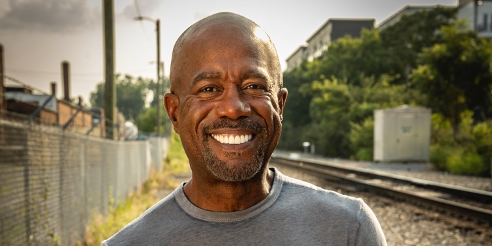
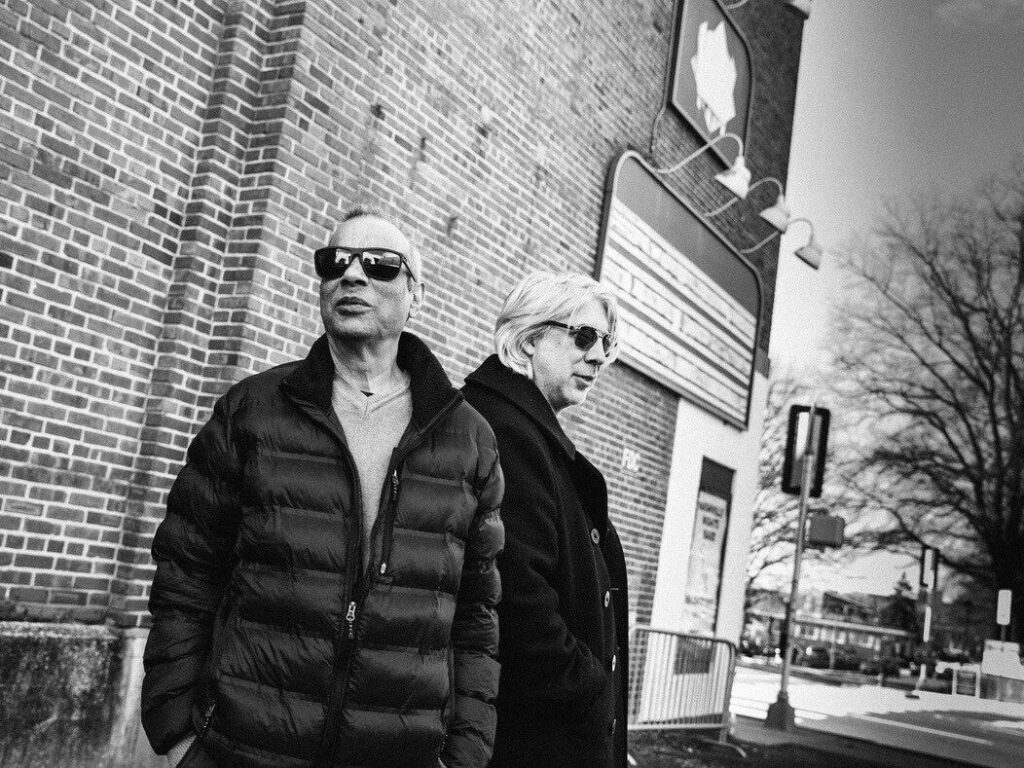
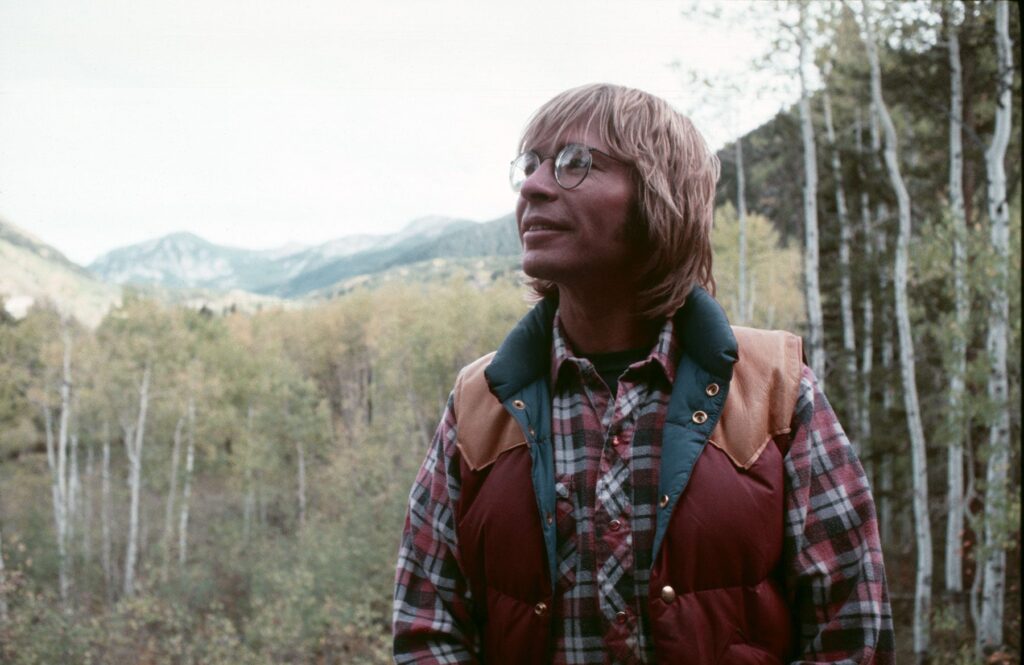
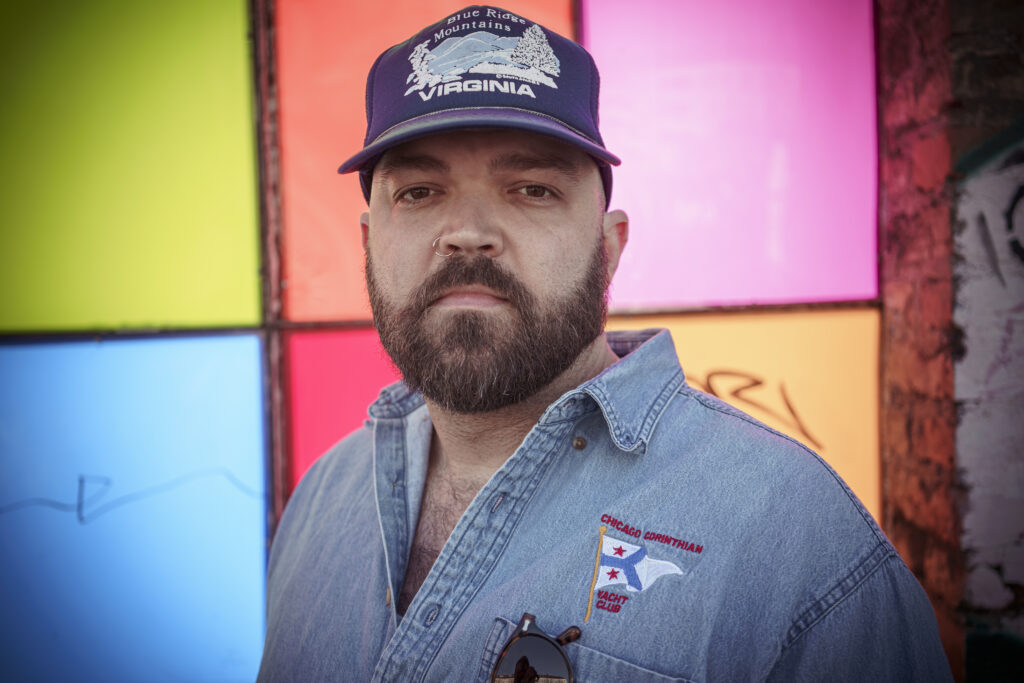
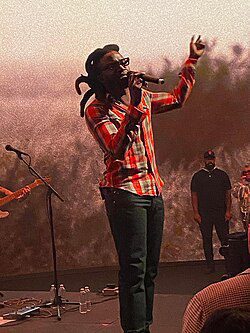
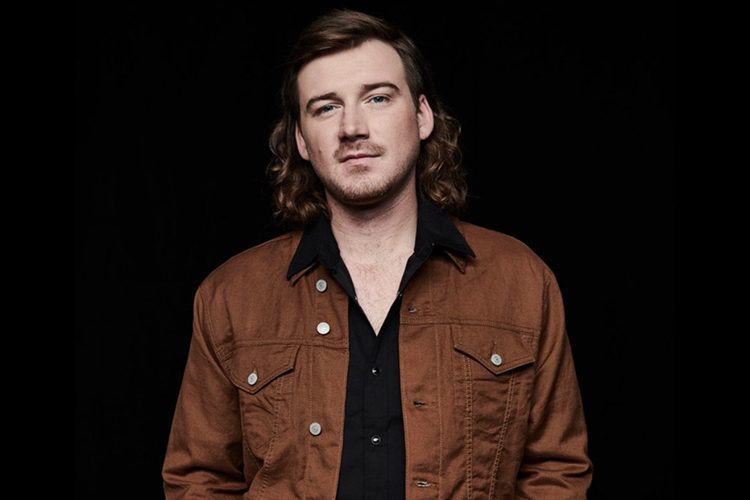
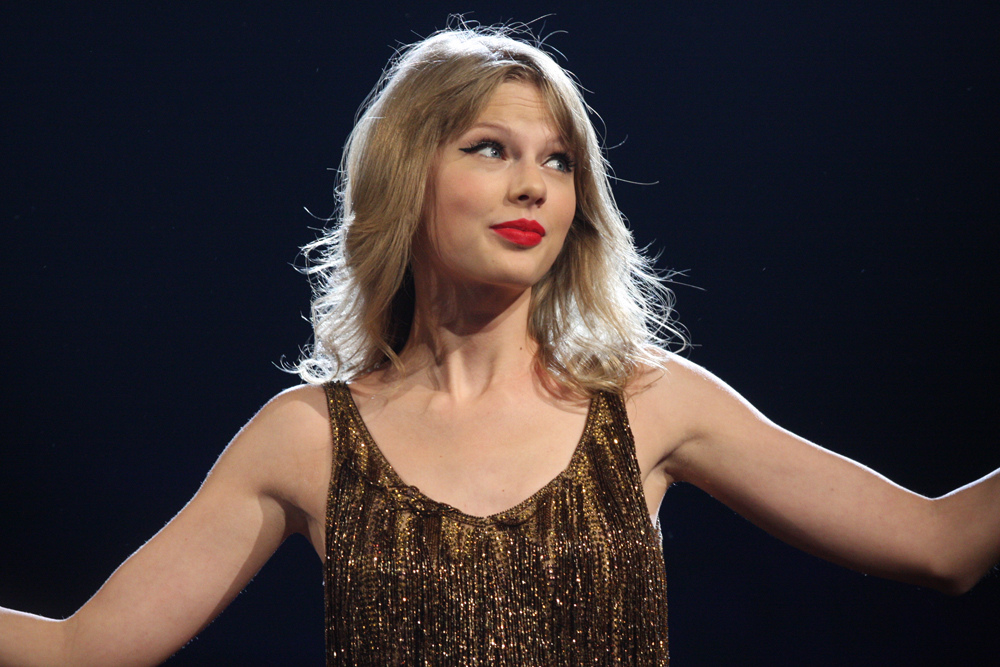
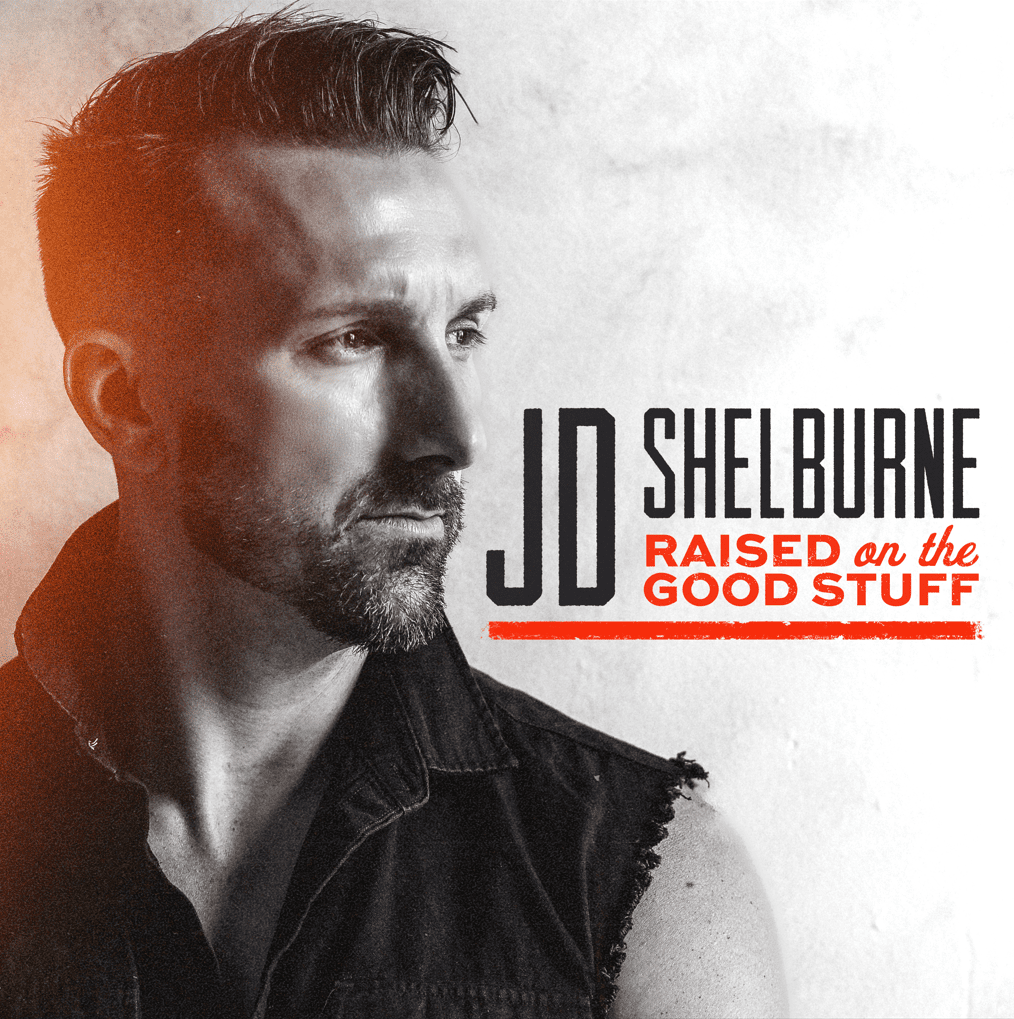
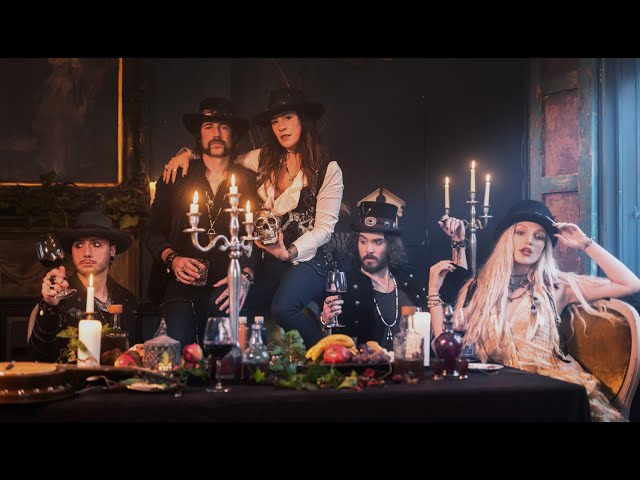
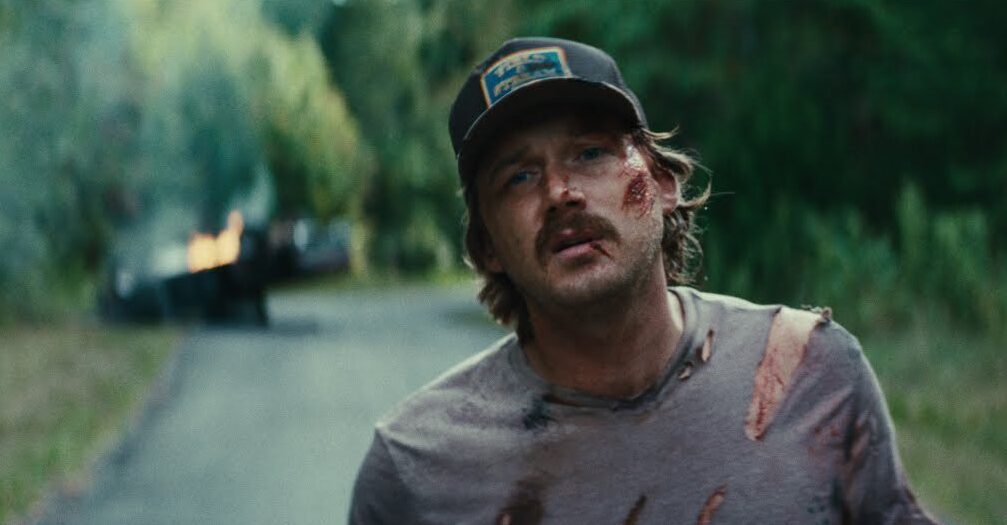
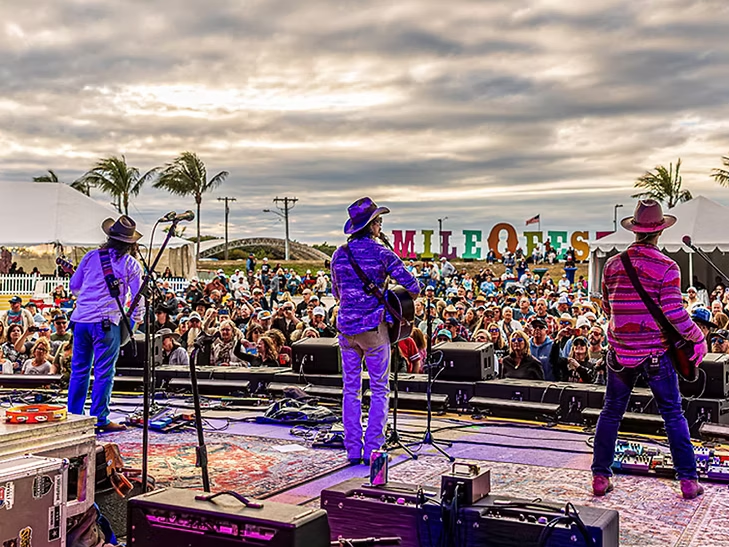
The Beatles legend Ringo Starr has released his new album, Long Long Road. The album is the 85 year old’s 22nd studio album and his third foray into country music. It features guest appearances from Billy Strings, Sheryl Crow, St. Vincent, Mully Tuttle and Sarah Jarosz. The album was recorded in Nashville and Los Angles in collaboration with legendary record producer and guitarist, T Bone Burnett.
We look back on Ringo Starr’s career, spanning close to seven decades.
The Beat Behind The Beatles and Beyond
Few musicians in modern history have experienced a career as remarkable, unlikely, and enduring as Ringo Starr. For more than six decades, Starr has remained one of the most recognisable figures in popular culture, moving from the back streets of Liverpool to the centre of global fame as drummer of The Beatles. Yet his story is far more nuanced than the familiar image of the affable Beatle flashing a peace sign behind a drum kit. It is a life shaped by hardship, resilience, reinvention, and a surprising willingness to evolve long after many of his contemporaries stopped trying.
Although John Lennon and Paul McCartney often dominated headlines and songwriting credits, Starr’s contribution to The Beatles was fundamental. His feel, timing, and instinctive musicianship helped shape some of the most influential recordings ever made. Beyond that, his personality became essential to the group’s chemistry. Starr brought warmth, humour, and a grounded presence to a band increasingly pulled apart by fame, pressure, and artistic ambition.
More than fifty years after The Beatles disbanded, Starr continues to tour, record music, collaborate with younger artists, and explore new creative directions. His recent embrace of country music has introduced yet another chapter to a career that has consistently defied expectation.
Growing Up In Liverpool
Born Richard Starkey on 7 July 1940 in the working class Dingle area of Liverpool, Starr’s early years were marked by severe illness and instability. His parents separated when he was young, and much of his childhood was spent recovering from life threatening health problems. At the age of six he fell into a coma after suffering complications from appendicitis. Later, tuberculosis confined him to a sanatorium for almost two years.
Ironically, it was during this prolonged recovery that music entered his life in a meaningful way. Hospital staff encouraged patients to participate in music activities, and Starr was introduced to percussion instruments for the first time. The rhythm and escapism of music offered something transformative.
Unlike Lennon, McCartney, and George Harrison, Starr did not come from a particularly academic or artistically ambitious background. He left school with few qualifications and worked a series of manual jobs before becoming involved in Liverpool’s booming skiffle and rock and roll scene during the late 1950s.
He joined Rory Storm and the Hurricanes, one of Liverpool’s most popular groups before Beatlemania emerged. It was during this period that he adopted the stage name “Ringo Starr”, inspired partly by the rings he wore and partly by the country and western influences he admired.
Joining The Beatles
By the early 1960s, Liverpool’s Cavern Club circuit was thriving, and Starr became acquainted with The Beatles through regular performances in Hamburg and around Merseyside. Even before officially joining the band in 1962, he was widely regarded as one of the best drummers on the local scene.
When The Beatles decided to replace original drummer Pete Best, Starr was the obvious choice. His arrival completed what would become the most famous line up in music history.
Initially, the transition was not universally welcomed. Some fans protested Best’s dismissal, and Starr briefly faced hostility from sections of the audience. However, it quickly became clear that his style suited the band perfectly. His drumming was economical, inventive, and highly musical. Rather than dominating songs with technical excess, he focused on groove, feel, and supporting the arrangement.
Tracks such as Ticket to Ride, Rain, Tomorrow Never Knows, and A Day in the Life demonstrated how sophisticated his playing really was. Modern drummers continue to study Starr’s unconventional fills and left handed approach on a right handed kit, which contributed to his distinctive phrasing.
Just as importantly, Starr became the emotional centre of The Beatles. Lennon later described the band as feeling incomplete whenever Starr was absent. During the recording of The White Album in 1968, Starr briefly quit the group after feeling undervalued. The remaining Beatles reportedly struggled emotionally and musically during his absence, persuading him to return with flowers covering his drum kit at Abbey Road Studios.
Fame Beyond Imagination
Beatlemania transformed Starr’s life beyond recognition. By 1964, The Beatles had become a global phenomenon unlike anything the entertainment industry had previously witnessed. Constant touring, screaming crowds, film appearances, and relentless media scrutiny created pressures few people could fully comprehend.
Yet Starr often appeared more relaxed than his bandmates. His dry wit and approachable personality made him especially popular with fans and journalists. Films such as A Hard Day’s Night and Help! highlighted his natural comedic timing, with many critics considering him the strongest screen presence among the four Beatles.
Behind the scenes, however, life inside The Beatles was becoming increasingly difficult. Exhausting schedules, creative tensions, and changing personal relationships gradually eroded the unity that had defined the group.
As Lennon and McCartney pursued increasingly ambitious songwriting directions, Starr adapted alongside them. Although never a prolific songwriter, he contributed occasional compositions and became known for delivering memorable vocal performances on tracks such as With a Little Help from My Friends, Yellow Submarine, and Octopus’s Garden.
His voice, unpretentious and sincere, offered contrast within a catalogue increasingly filled with experimentation and complexity.
Life After The Beatles
When The Beatles officially split in 1970, expectations for the members’ solo careers varied enormously. Starr was often underestimated compared with Lennon, McCartney, and Harrison. Yet he achieved significant commercial success during the early 1970s.
Albums such as Ringo and Goodnight Vienna produced major hits including Photograph, It Don’t Come Easy, Back Off Boogaloo, and You’re Sixteen. His 1973 album Ringo remains especially notable because it featured collaborations with all three former Beatles, albeit not simultaneously.
Starr’s solo success stemmed partly from his self awareness. Rather than attempting to reinvent himself as a grand artistic visionary, he leaned into what audiences already appreciated: charm, strong melodies, and accessible rock music.
Outside music, Starr also pursued acting, appearing in films including That’ll Be the Day, Caveman, and various television productions. During the 1970s he became a familiar celebrity figure beyond music alone.
However, the following decade proved far more turbulent.
Personal Struggles and Recovery
The 1980s brought serious personal difficulties for Starr. Alcoholism began affecting both his health and career, while changing musical tastes reduced commercial interest in many classic rock artists of the era.
By Starr’s own admission, this period represented the lowest point of his life. He and his second wife, actress Barbara Bach, struggled heavily with addiction before eventually entering rehabilitation together in 1988.
Their recovery marked a turning point. Starr has spoken openly about sobriety transforming his outlook, relationships, and creativity. Since then, he has maintained a remarkably disciplined and positive public image, often promoting messages of peace, kindness, and emotional wellbeing.
Some critics have dismissed his optimism as simplistic, but many fans view it as authentic resilience from someone who survived illness, addiction, extraordinary fame, and personal loss.
The All Starr Band Era
One of Starr’s smartest career decisions came in 1989 with the creation of the All Starr Band. Rather than touring solely as a nostalgia act, Starr assembled rotating groups of respected musicians from major rock acts including Toto, Santana, Men at Work, Average White Band, and Journey.
The concept proved enormously successful. Concerts became celebratory evenings of shared musical history, with each performer contributing hits from their own catalogue alongside Beatles material and Starr’s solo work.
The format also reflected Starr’s collaborative personality. Unlike many legacy artists determined to dominate attention, he seemed genuinely enthusiastic about sharing the stage.
Over the decades, the All Starr Band became a reliable touring institution, introducing Starr to younger generations while reinforcing his reputation as one of rock’s most enduring live performers.
Reassessment of His Musical Legacy
For years, Starr faced unfair criticism from people who underestimated his musicianship. The old joke that he “wasn’t even the best drummer in The Beatles” persisted despite being both inaccurate and misattributed.
In recent years, however, there has been significant reassessment of his contribution to modern drumming. Musicians and producers increasingly acknowledge how influential his style really was.
Dave Grohl, Phil Collins, Max Weinberg, and countless others have praised Starr’s feel, discipline, and creativity. His parts were never about technical exhibitionism. Instead, they served songs with remarkable precision and personality.
Modern music production increasingly values groove, restraint, and emotional instinct, qualities Starr possessed naturally from the beginning.
His drumming on Come Together alone remains one of the most instantly recognisable rhythmic performances in popular music.
A Late Career Turn Towards Country Music
Perhaps the most surprising chapter of Starr’s later career has been his renewed connection with country music, a genre he loved long before The Beatles existed.
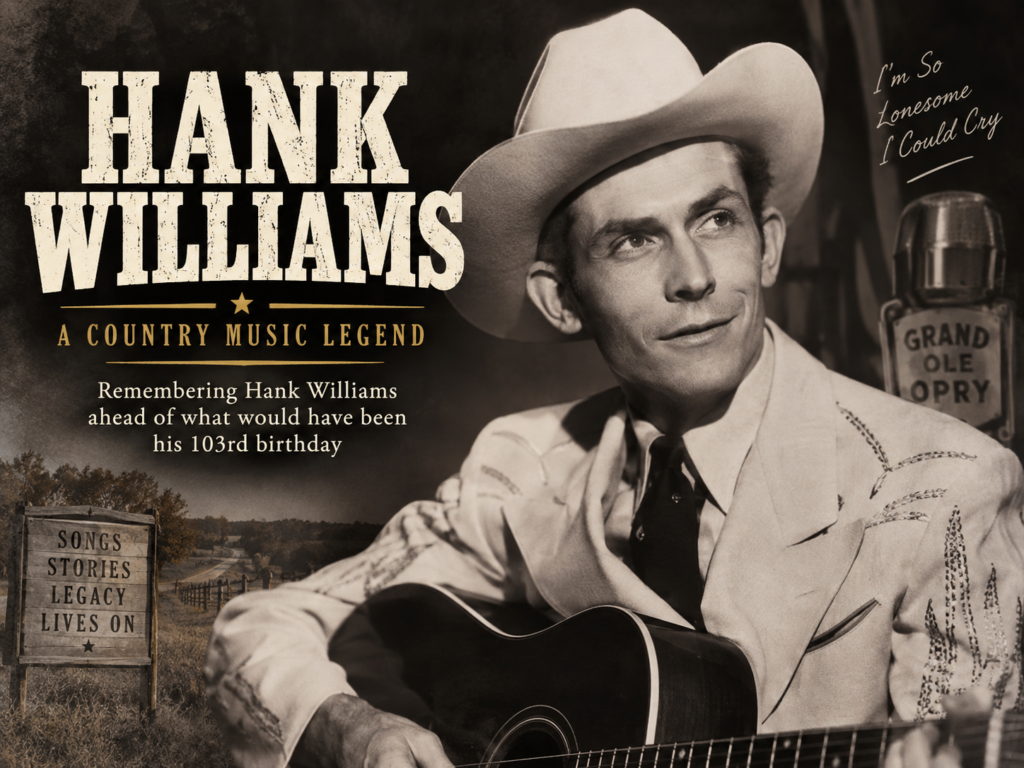
Country influences had always been present in his work. Early Beatles performances regularly included country and rockabilly material, while Starr himself recorded tracks such as Act Naturally and What Goes On during the 1960s. His affection for artists like Hank Williams and Buck Owens was never hidden.
In recent years, however, Starr has leaned more deliberately into country inspired songwriting and collaborations.
His 2025 country album Look Up marked a particularly significant moment. Produced and co written with T Bone Burnett, the record featured contributions from major Americana and country artists while blending traditional Nashville influences with Starr’s unmistakable warmth and melodic sensibility.
Rather than attempting to imitate modern commercial country trends, the album embraced classic storytelling, organic instrumentation, and relaxed musicianship. Critics praised its sincerity and understated confidence.
The project demonstrated something remarkable about Starr’s career longevity: even in his eighties, he remained creatively curious rather than simply preserving nostalgia.
Country music also appears to suit him naturally at this stage of life. The genre’s emphasis on reflection, lived experience, humour, and emotional honesty aligns closely with Starr’s public persona. Songs exploring friendship, ageing, gratitude, and resilience carry additional weight coming from someone who experienced the cultural upheaval of the twentieth century so directly.
Importantly, Starr’s move towards country does not feel like reinvention for commercial survival. Instead, it feels like a return to musical roots that were always there beneath the surface.
An Unlikely Cultural Survivor
Ringo Starr’s career continues to challenge assumptions about fame, talent, and longevity. He was often underestimated, sometimes mocked, and frequently overshadowed by more visibly ambitious contemporaries. Yet he outlasted many critics by remaining fundamentally himself.
His success was never built on virtuoso ego or intellectual mystique. Instead, it came from musical instinct, emotional intelligence, humour, and reliability. In an industry often consumed by excess and self destruction, those qualities proved surprisingly durable.
Today, Starr occupies a unique cultural position. He is simultaneously a surviving Beatle, a respected musician, a symbol of optimism, and an artist still willing to evolve.
For millions of fans worldwide, he remains the steady heartbeat behind the most important band in modern music history. Yet his story also stands independently from The Beatles now, not simply as their drummer, but as one of popular music’s most enduring survivors.